
Dick Slade
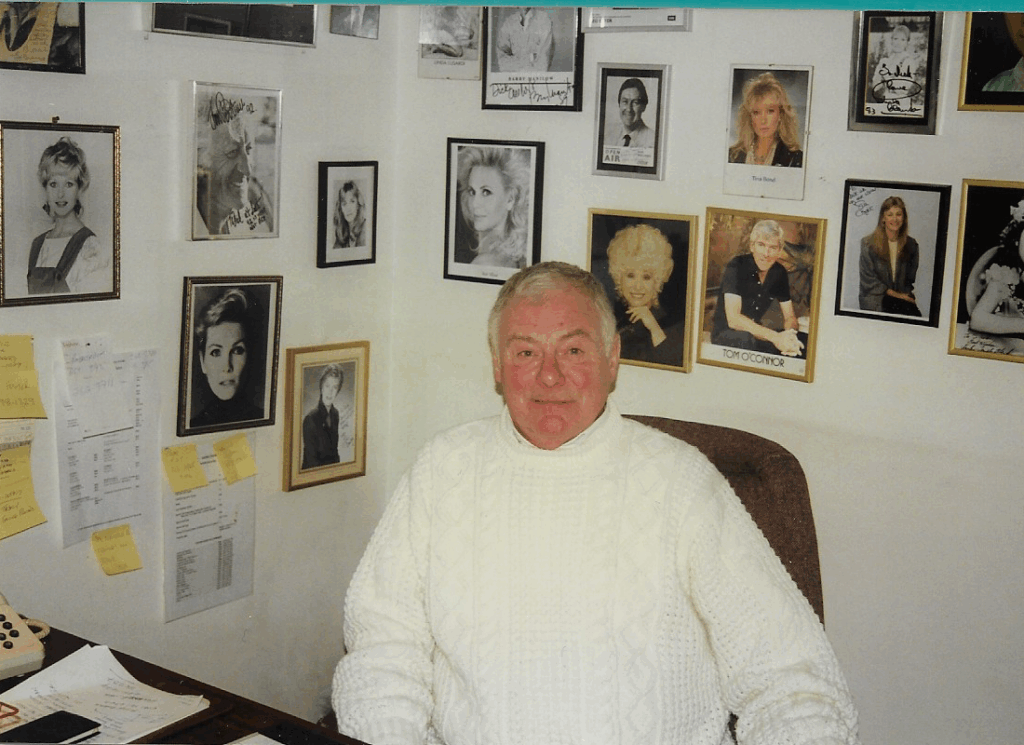
Family name: Slade
Work area/Craft/Role: Projectionist, Studio Manager
Industry: Film
Interview date(s): 16 April 1997
Interviewer(s): Manny Yospa, Martin Sheffield
Production Media: audio
Rough notes of interview 395, Dick Slade. 16th April 1997
Wheathampstead. Projectionist at Rex, Leytonestone. H.& G Enterprises.
Academy, State. Conscripted into arrny. Projectionist, Staff Sergeant. Married at 20. Farm Machinery, Horace Bishop, British Lion, Preview Theatre; Macllroy,
1952/4. Dispatch, Bert Chapman, Bob Marrow, Assistant Manager, Olympic Labs., 1952-54 Renown Pictures. (1955-58) Dispatch Manager 1958. Cross Channel Films Preview Theatre 1958/59.
Preview, Richard Shulman. Brian Samms. Anglo—amalgamated. 1959/1967. Trident Preview Theatre 1967-77 EJ Fancy Celluloid Film Services Technical Manager 1977-79; Alan
Ramsay, Maurice Young. 1968 Dave Gillard, Morman and Barry Sheffield,1967. "McKenna's Gold". November 1977. Michael Winner. Bob Baker.
"Hannibal Brookes" Marlon Brando, Hew Realm Films, Wardour Preview, John Smith, B.J.Fancy. "The Ship" Terry Slade Baker, De Lane Lea,1979-1997 Studio Manager. March 1979,Pop Promos, Trillion, Lime House Studios 1987.Godfrey Pine, 88, Sky, 88/89, Scott Chisholm, Jan 91.
SIDE 2; Jan 90, Freelance, October 96, Closed January 1997. Resources
Manager. Various Stories. Newsreel. Fire. Eddie Fairbrother tooth. George Minton, Renown Pictures, Anglo, Lisa Minelli, Alan Lake,
"Charlie Bubbles" Freddy Young.
Dick Slade was a long-serving projectionist, preview-theatre manager and studio manager whose career spanned Britain’s mid-century cinema and film-services world. Across jobs at local cinemas, preview theatres, film dispatch and technical services, he worked on and around many well-known productions and played a practical, managerial role in the day-to-day running of screening and studio facilities.
Early life & wartime service
Slade was conscripted into the army (rising to the rank of staff sergeant in projection-related duties) before settling into a cinema and film career after the war. He married at about age 20 and, after demobilisation, moved into film-industry work rather than returning to farming or factory life.
Projectionist & preview-theatre work
Dick’s roots were in projection. He worked as a projectionist at neighbourhood cinemas (the Rex, Leytonstone among them) and then moved into more specialist preview theatres and dispatch / screening roles. During the 1950s and 1960s he worked for firms and venues including Renown Pictures, the Preview Theatre, Trident Preview Theatre and Cross-Channel Films. These roles involved running advance screenings for distributors and exhibitors and maintaining the high technical standards needed for industry previews.
Dispatch, technical and managerial roles
From the mid-1950s onward Slade took on dispatch-manager and technical-manager duties (dispatch, Academy/State bookings, film handling) and later became a studio manager. He held posts with companies such as H. & G. Enterprises, Celluloid Film Services (E. J. Fancy / B.J. Fancy), and worked across preview, dispatch and studio operations. In the 1970s and 1980s he combined technical management with studio management, including at Limehouse and other studio facilities, and later worked freelance into the 1990s.
Notable productions & industry contacts
Slade’s notes name many productions and industry figures he encountered through preview screenings and studio work — from big commercial releases to pop promos. His notes mention involvement with events connected to films such as McKenna’s Gold, Charlie Bubbles, and screenings attended by high-profile names; he also recalls working with colleagues like Brian Samms, Dave Gillard and others across preview and technical teams.
Later years & legacy
Into the 1980s and early 1990s Slade moved between freelance technical management and longer-term studio management roles; his interview records a career that ended with the closure of some facilities in the late 1990s.
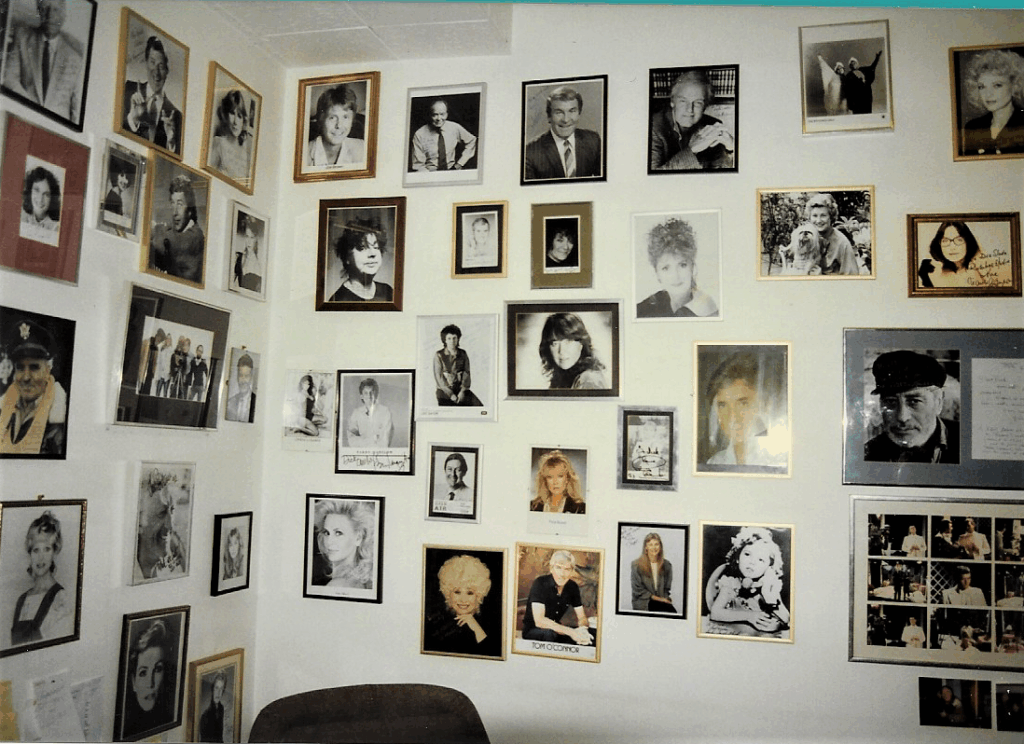
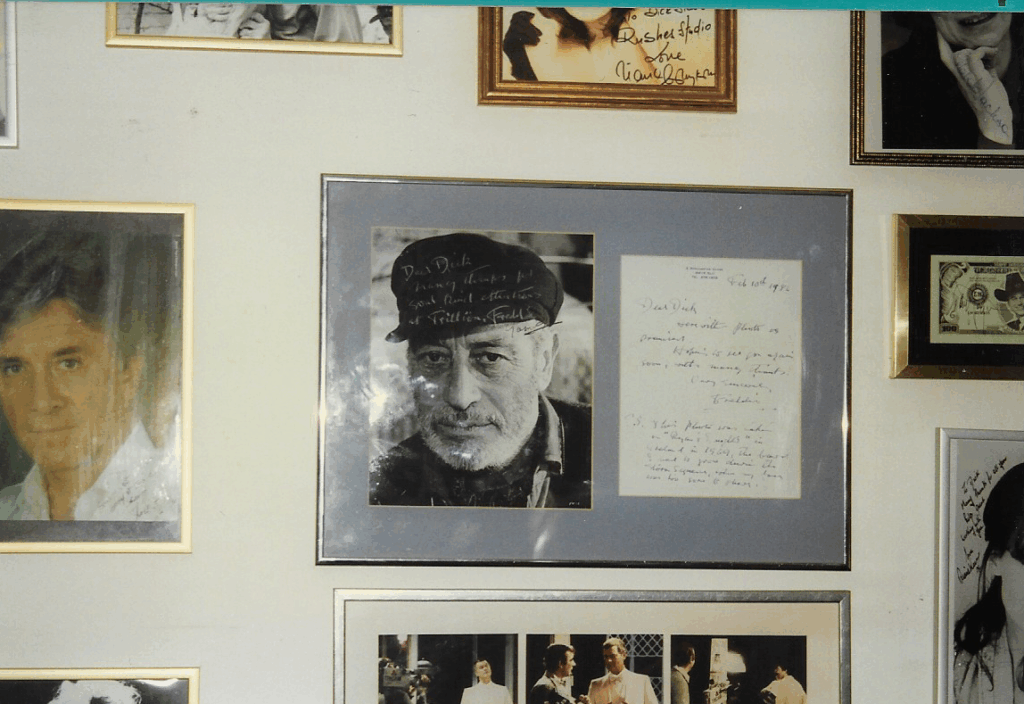
Images may be subject to copyright. If you are the rights holder and wish any image to be removed, please contact us and it will be taken down promptly.
Disclaimer: The views and opinions expressed by interview participants are personal and do not necessarily reflect the views of the History Project or any of its volunteers, employees or representatives. (See details). Please also see our Takedown Policy.