
Maurice Kanareck
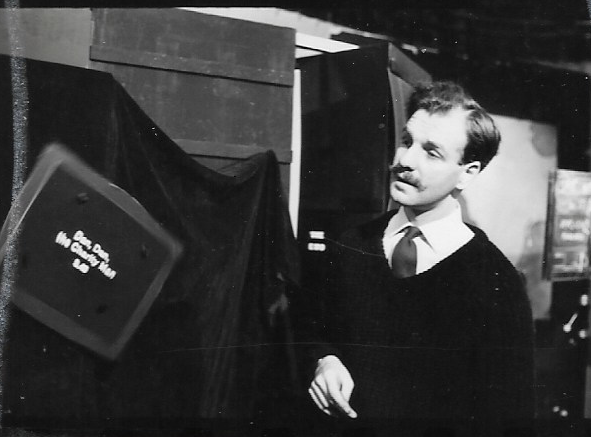
Forenames(s): Maurice
Family name: Kanareck
Work area/Craft/Role: Director, documentary, Presentation, Producer, trailers
Industry: Film
Company: BBC, Israel TV, ITV
Family name: Kanareck
Work area/Craft/Role: Director, documentary, Presentation, Producer, trailers
Industry: Film
Company: BBC, Israel TV, ITV
Interview no: 566
Interview date(s): 6 April 2007, 12 April 2007
Interviewer(s): Bernard Miller
Production Media: video
Interview date(s): 6 April 2007, 12 April 2007
Interviewer(s): Bernard Miller
Production Media: video
Maurice also recoreded a supplementary interview 686 on 28th November 2009.
Maurice Kanareck was born on September 6, 1933 in the UK, and has worked as a director and actor.
- Born 6 September 1933 in the UK. IMDb+1
Early life & background
- Trained at art school, completed National Service (including time in Germany), and then moved into broadcasting and presentation work. His early career included presentation/continuity roles and work in television production.
Broadcasting & film career
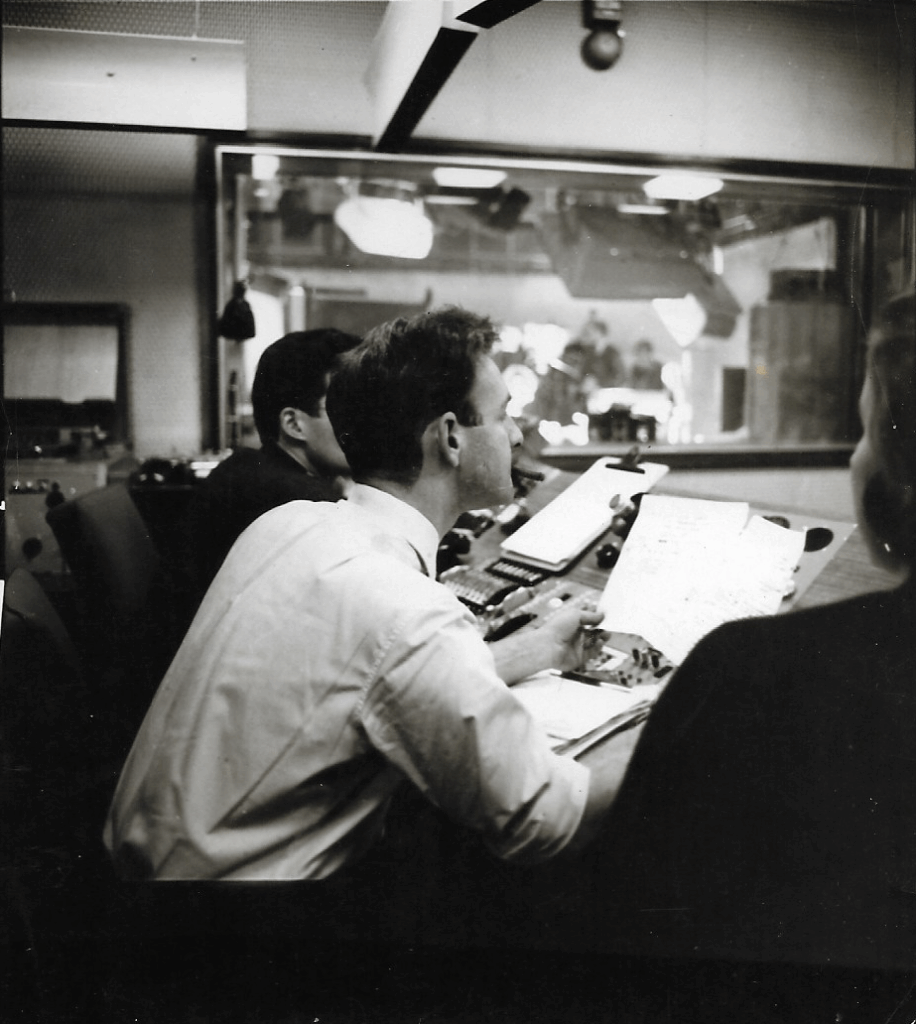
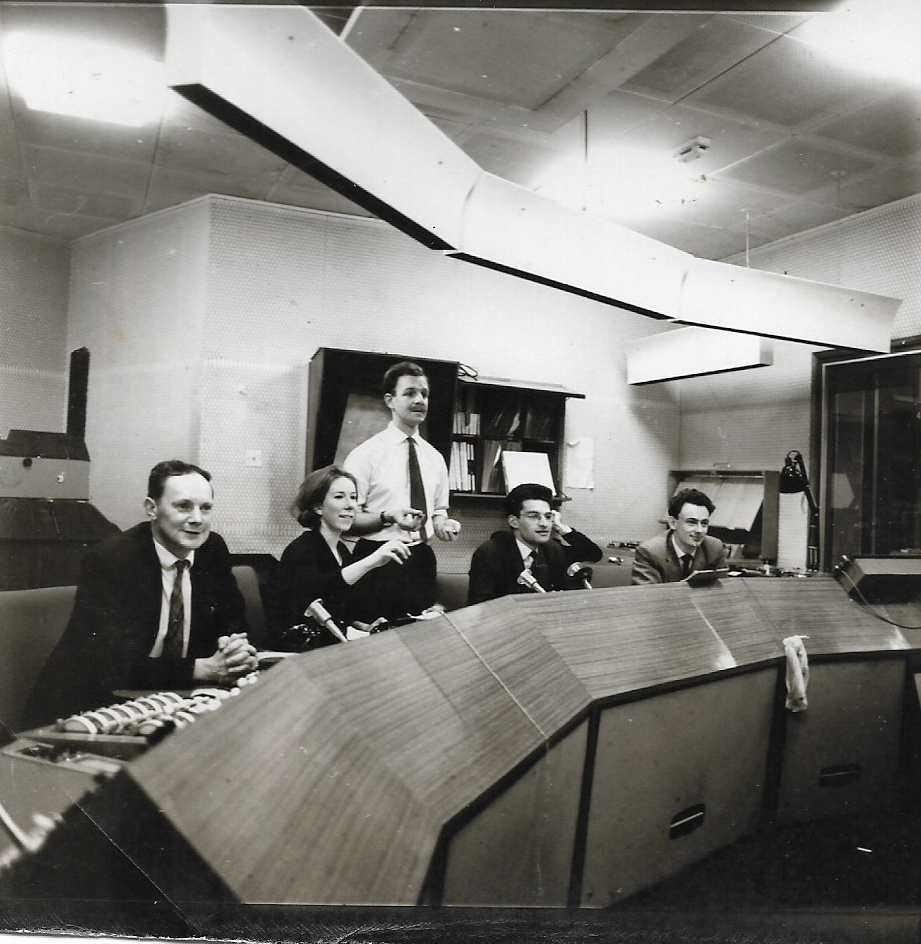
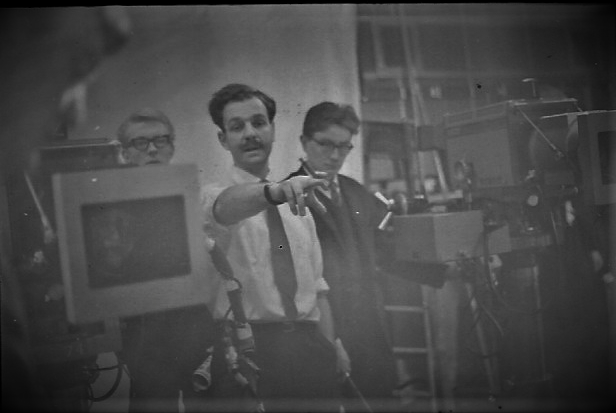
- Worked for major UK broadcasters (BBC, ITV/ATV) as a presentation/presentation-director and also directed and produced documentary and non-fiction television. He is credited on panel/entertainment material (e.g., It’s a Knockout) as well as more serious documentary work.
- Festival credits: his documentary Prisoners of Conscience was screened at the Melbourne International Film Festival (MIFF) 1979. Miff 2025
Other media & writing
- He has published a book entitled 98k — Biography of a Rifle, a researched narrative about the Mauser 98K rifle (published editions are listed online). Amazon+1
Interviews & archival material
- Maurice Kanareck is interviewed and profiled in the British Entertainment History Project (interview nos. 566 and supplementary material), which includes transcripts and a small gallery — a useful primary source for his career recollections.
Notable credits (examples)
- Let’s Parlez Franglais (1984) — director credit listed. IMDb+1
- Prisoners of Conscience (screened MIFF 1979). Miff 2025
Significance & summary
- Kanareck’s career spans presentation/presentation-direction for UK television, documentary direction, and authorship. He appears in both broadcast-industry archives and festival records, indicating a mix of mainstream broadcast work and independent documentary practice.
Images may be subject to copyright. If you are the rights holder and wish any image to be removed, please contact us and it will be taken down promptly.
Disclaimer: The views and opinions expressed by interview participants are personal and do not necessarily reflect the views of the History Project or any of its volunteers, employees or representatives. (See details). Please also see our Takedown Policy.