
Michael Darlow
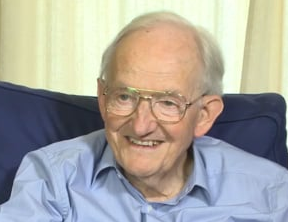
Family name: Darlow
Awards/Honours: The World at War – episodes ‘Occupation’ and ‘Genocide’. Thames TV. Producer/Director. BAFTA Nomination - Best Specialized Programme (1974), The Sun is God. Thames TV. Writer/Director. BAFTA Nomination - Best Documentary (1975), Auschwitz – The Final Solution. Thames TV. Writer/Director. BAFTA Nomination - Best Single Play (1979), Suez 1956. BBC. Director. UN Media Peace Prize Certificate of Merit (1980), The Fatal Spring. BBC. Director. New York Film & TV Festival Gold Award (1982), The Barretts of Wimpole Street. BBC/ABC. Director. BAFTA Nomination - Best Single Play (1989), Bomber Harris. BBC. Director. Baltic Film Festival First Prize (1994), Betrayal. Charon Film Sweden/Channel 4. Creative Producer. RTS Best Editing (1997), Something of a Different Pace. Try Again/BBC. Co-producer Royal Television Society Silver Medal (200, BAFTA Best Documentary (1968), Leipzig Golden Award (1968), Melbourne Silver Cross (1968), Cities at War. Granada TV. Director/Producer. BAFTA Nomination - Best Documentary (1974)
Work area/Craft/Role: Director, Producer, Writer
Industry: Film, TV, Radio
Company: BBC, Channel 4, Granada, Partners in Production, Thames, Try Again
Websites: BUFVC Learning On Screen, Wikipedia
Interview date(s): 31 July 2017
Interviewer(s): Martin Spence, Nick Gilbey
Production Media: video
Duration (mins): 203
Michael Darlow was born in 1934 in Wolverhampton, and trained as an actor at Esmé Church’s Northern Theatre School. After National Service he worked with several regional and repertory theatre companies. From the late 1950s he was also getting parts in television.
His TV production career started at the BBC, followed by periods at Granada and Thames, always on freelance contracts. He has worked as producer and director across documentary and drama, achieving BAFTA awards and nominations for several productions exploring the reality and legacy of the Second World War: ‘Cities at War’ at Granada; ‘Genocide’ in ‘The World at War’ series at Thames; and ‘Bomber Harris’ at the BBC.
In the late 1970s and early 1980s Michael was a leading figure in the campaign to make the ‘Fourth Channel’ independent of the established broadcasters - a ‘publisher-broadcaster’ commissioning programmes from independent producers. When Channel 4 launched in 1982 its structure and remit largely reflected the efforts of Michael and his fellow campaigners. His book Independents Struggle is recognised as an authoritative history of this period in British broadcasting.
Michael’s projects in recent years have often been routed through his companies Partners in Production, and Try Again Ltd.
Images may be subject to copyright. If you are the rights holder and wish any image to be removed, please contact us and it will be taken down promptly.
Disclaimer: The views and opinions expressed by interview participants are personal and do not necessarily reflect the views of the History Project or any of its volunteers, employees or representatives. (See details). Please also see our Takedown Policy.