
Roger Neal
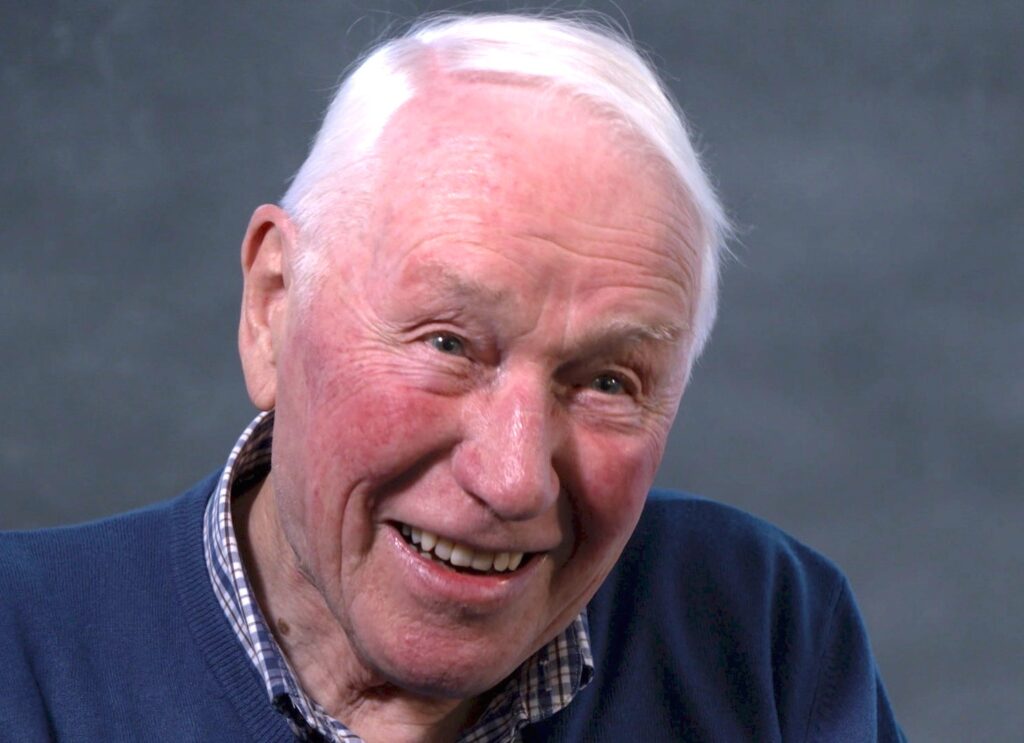
Family name: Neal
Work area/Craft/Role: Vision Engineer
Industry: Film
Company: Marconi BBC
Websites: Adapt, Adapt OB
Interview date(s): 19 October 2018
Interviewer(s): Mike Dick
Camera: Nick Gilbey
Production Media: video
Duration (mins): 59
Vision supervisor and outside-broadcast specialist at the BBC.
Roger Neal
Occupation: Vision Supervisor (Outside Broadcasts), BBC
Notable: Early work on colour outside broadcasts; senior supervisor on major live events
Early Career
- Roger Neal was among the early technical staff on colour outside broadcast (OB) units at the BBC. He started work on what were known as the “Type I” colour OB scanners, becoming only the second ever vision supervisor on the OB unit CMCR 1, which was used for the first ever BBC colour outside broadcast in 1967. adapttvhistory.org.uk
- He gained expertise with the Pye PC-80 cameras and was part of the BBC team working with Pye TVT on the testing of the upcoming “Type 2” scanner units. adapttvhistory.org.uk
Major Achievements & Live Broadcasts
- As a senior vision supervisor, Roger worked on many iconic events, including:
- The marriage of Prince Charles to Lady Diana Spencer at St Paul’s Cathedral. adapttvhistory.org.uk
- Numerous Wimbledon tennis championships, golf opens, the British Grand Prix, and Olympic Games (e.g., Moscow and Barcelona). adapttvhistory.org.uk
- A particularly memorable assignment: He spent a Christmas in the Falkland Islands to originate the first ever live transmission from the Islands. adapttvhistory.org.uk
Later Career & Retirement
- Neal continued working on Type 2 scanners, and later with the BBC’s first handheld radio-transmitted camera PCP-90, staying in OB work at Kendall Avenue (the BBC’s outside-broadcast base) until 1996 when he took early retirement. adapttvhistory.org.uk
- Even after that, he continued freelance work as a vision supervisor for a further ~15 years, finally retiring completely after the Wimbledon broadcast in 2012. adapttvhistory.org.uk
Significance & Impact
- Roger Neal was involved at a pioneering moment in television: the transition to colour outside broadcasting in the UK. He has described that era as writing “the grammar of colour television” — meaning the standard methods, workflows and practices for colour OBs were being developed on the fly. adapttvhistory.org.uk
- His work enabled major live events to be broadcast with a new level of visual fidelity and production complexity — helping the BBC maintain its reputation for high quality live televised sports and national-events coverage.
- His professional journey illustrates the shift from earlier black-and-white, studio-based broadcasting to complex on-location, mobile-unit colour OBs — with rapid rig-up times, multiple cameras, mobile routing, and live transmission logistics.
Key Skills & Qualities
- Technical mastery of early colour video cameras and OB equipment (e.g., PC-80, Type I/II scanners)
- Strong operational leadership: supervising large teams under live-transmission conditions
- Ability to plan/coordinate complex outside-broadcast events: multi-camera setups, live switching, venue logistics
- Adaptability: From early OB units to more mobile handheld camera technology and later freelance OB work
Summary
Roger Neal played a key (though behind-the-scenes) role in the BBC’s outside-broadcast operations during the formative years of colour television and large-scale live event coverage. With career spanning from the late 1960s through to the 2010s (including freelance), he contributed significantly to the technical and production standards of live television in the UK.
Images may be subject to copyright. If you are the rights holder and wish any image to be removed, please contact us and it will be taken down promptly.
Disclaimer: The views and opinions expressed by interview participants are personal and do not necessarily reflect the views of the History Project or any of its volunteers, employees or representatives. (See details). Please also see our Takedown Policy.