
David Rose
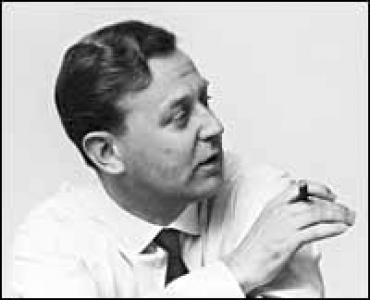
Family name: Rose
Awards/Honours: BAFTA Fellowship 1997, Royal Television Society Gold Medal 1988.
Work area/Craft/Role: BBC Head of English Regions Drama
Industry: Film, TV
Company: BBC, BBC Pebble Mill, Channel 4, Film on Four.
Websites: Wikipedia, BFI Screenonline
Full name: David Edward Rose The Guardian+2imdb.com+2
Born: 22 November 1924, Swanage, Dorset, England BFI+2The Guardian+2
Died: 26 January 2017 (aged 92) BFI+2The Guardian+2
Early Life, Education & War Service
- Rose served in the RAF during WWII, flying missions in Lancaster bombers. BFI+2The Guardian+2
- After the war, he studied at the Guildhall School of Music and Drama (from 1947-49). British Entertainment History Project+2The Guardian+2
- Before moving into television, he worked in repertory theatre as stage manager / in theatrical production / stage direction. British Entertainment History Project+2The Guardian+2
Entry to Television & Early Work
- Joined the BBC in 1954 as Assistant Floor Manager in the drama department. British Entertainment History Project+2BFI+2
- By the late 1950s, he was directing dramatised documentaries — e.g. Black Furrow (1958) about open-cast mining in South Wales. BFI+2Telegraph+2
- He produced Medico, an early drama/documentary about medical emergencies at sea. BBC+2Telegraph+2
Breakthrough: Z-Cars, Softly-Softly, etc.
- Rose was the original producer of Z-Cars (from 1962). It was innovative for its more realistic and gritty depiction of police work in contrast to earlier, more idealised shows. Telegraph+2BFI+2
- Following Z-Cars, he produced its spin-off Softly, Softly (mid-1960s). The Guardian+2Wikipedia+2
BBC Pebble Mill: Regional Drama
- In 1971, David Attenborough appointed him head of the newly established English Regions Drama department at BBC Pebble Mill in Birmingham. His mandate was to find writers outside London (in the regions) and produce drama that reflected more regional life and perspectives. BFI+2British Entertainment History Project+2
- Under his leadership, Pebble Mill was a fertile ground for new voices: writers like Alan Bleasdale, David Rudkin, David Hare; and plays such as The Black Stuff, Penda’s Fen, The Fishing Party, Licking Hitler, The History Man among others. BFI+2British Entertainment History Project+2
Channel 4 & Film On Four
- In 1981, Rose moved to Channel 4 as Senior Commissioning Editor for Fiction. Whilst there, he initiated/ran the Film on Four strand, which invested significantly in feature-length films, many of which had cinema releases as well as TV screenings. BFI+3BFI+3Wikipedia+3
- He backed numerous influential films: My Beautiful Laundrette, Letter to Brezhnev, Mona Lisa, Dance With a Stranger etc. These helped revitalize British cinema in the 1980s. BFI+2BFI+2
Style, Influence & Legacy
- Known for taking risks, nurturing new talent, and promoting regional and realistic storytelling rather than simply metropolitan/centralised content. BFI+2pebblemill.org+2
- Insisted on quality; inclined toward authenticity and “rough edges of truth” rather than over-smooth, formulaic drama. BFI+1
- Awards and honours:
- Royal Television Society Gold Medal, 1988. BFI+2The Guardian+2
- Cannes special prize for services to cinema (1987). BFI+2BFI+2
- BFI Fellowship in 2010. BFI+2BFI+2
David studied at the Guildhall School of Music and Drama from 1947-49 before working for five years in repertory theatre as a stage manager and director.
He moved into television in 1954 as an assistant floor manager for Michael Barry’s BBC drama department.
Throughout the 1960s and 70s he was a leading figure in British television at the BBC, where he produced 176 episodes of Z Cars before moving on to the spin off series Softly, Softly. He was Head of English Regions Drama at BBC Pebble Mill for ten years, and then at Channel 4, where he was Senior Commissioning Editor for Fiction from 1981-90, responsible not only for the new channel's drama output but also for Film on Four.. Rose is credited by many as being a significant figure in the regeneration of British cinema and particularly remembered for films such as My Beautiful Laundrette, Wish You Were Here, Dance With A Stranger, Mona Lisa and Letter to Brezhnev.
Images may be subject to copyright. If you are the rights holder and wish any image to be removed, please contact us and it will be taken down promptly.
Disclaimer: The views and opinions expressed by interview participants are personal and do not necessarily reflect the views of the History Project or any of its volunteers, employees or representatives. (See details). Please also see our Takedown Policy.