
Mitch Mitchell
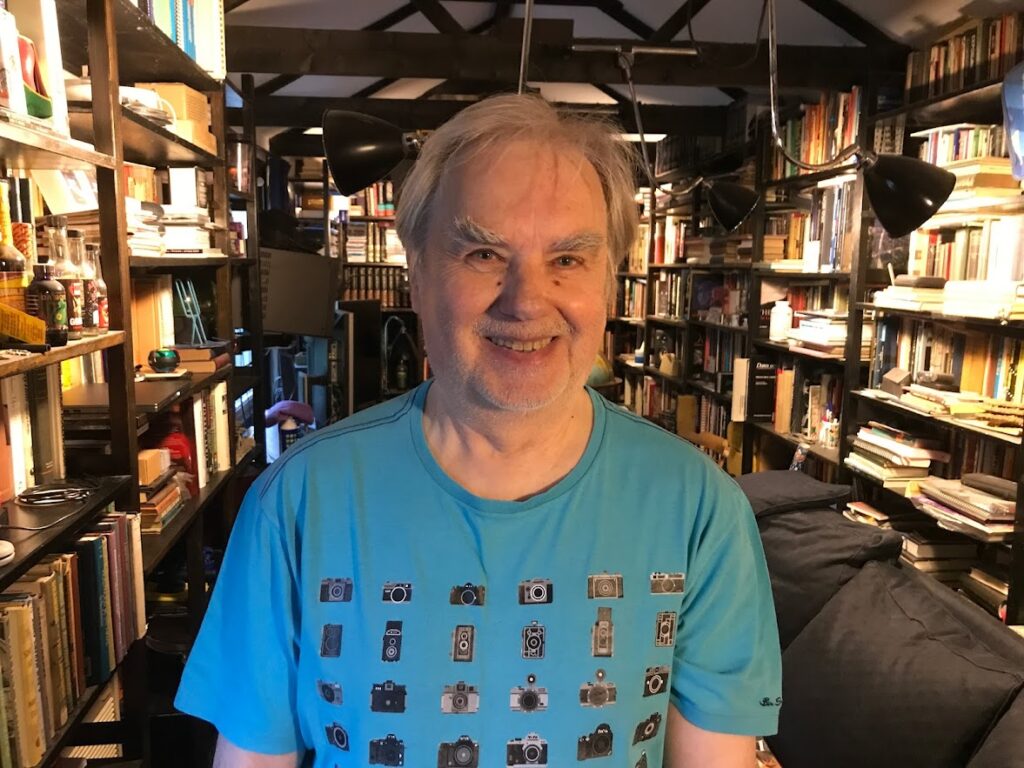
Family name: Mitchell
Work area/Craft/Role: Camera Department, Visual Effects
Industry: Film, TV
Company: BBC, Cinesite, Moving Picture Company, Technicolor
Websites: IMDb, Routledge, Urban Fox, Visual Fields, Tardis Fandom
Interview date(s): 5 May 2022
Interviewer(s): John Luton
Camera: John Luton
Production Media: video
Duration (mins): 318
Video I - influences and training. BEHP INTERVIEW 171 - MITCH MITCHELL
Mitch describes the influences and circumstances which led a young guy in N. Ireland to become interested in tv camerawork and how the BBC-2 and colour expansion provided the opportunity to enter the business. He then describes the BBC training process and how it worked.
Video II - BBC Camera Department Part I BEHP INTERVIEW 171 PART TWO - MITCH MITCHELL
A camera assistant during the transitions from 405 to 625, B&W to colour and from live transmissions to recording Mitch describes the huge resulting changes. He also discusses Light Entertainment and Drama camera techniques and the chaos resulting from early video editing techniques on shows like Sherlock Holmes.
Video III - BBC Camera Department Part II BEHP INTERVIEW 171 PART THREE - MITCH MITCHELL
Mitch goes on to talk about Dr. Who which he worked on as an assistant and then operator, and then about drama in general and particularly The Wednesday Play and its influence. He finishes up by discussing TV lighting and the differences between film and tv lighting techniques.
Mitch joined BBC’s Camera Department in the staff expansion required for BBC-2. He trained on mostly Stewart Morris light entertainment shows but then specialised in drama such as the Wednesday Play and Dr. Who as an assistant and then operator. He suggested the need for a camera effects department and became a founding member of what was initially called electronic (later video) effects and worked on numerous early BBC chroma key and other effects shows including many Dr Who and Blake's 7 episodes. In 1980 he left BBC and joined The Moving Picture Company where he worked for two decades as effects supervisor on commercials using their larger budgets, to experiment with new digital techniques. These included Paintbox, Harry, CGI, motion control and also the filmtel video to film transfer system. After a short period as a freelance VFX supervisor - mainly on commercials but also “The 10th Kingdom” - he joined Cinesite as head of imaging responsible for digital intermediate and with his knowledge of film recording, helped develop the super2K scanning and recording processes first used on Harry Potter, but then on many other productions such as Sherlock Holmes and the DaVinci Code. When Kodak shut down Cinesite’s imaging department he moved to fulfil the same role at Technicolor during the tumultuous transition from film to digital and the closing down of laboratories. Mitch lectured extensively on imaging and effects, wrote a best selling focal press media manual on the subject, is a fellow of the Royal Photographic Society and BKSTS and was appointed Visiting Professor at Bournemouth University.
Images may be subject to copyright. If you are the rights holder and wish any image to be removed, please contact us and it will be taken down promptly.
Disclaimer: The views and opinions expressed by interview participants are personal and do not necessarily reflect the views of the History Project or any of its volunteers, employees or representatives. (See details). Please also see our Takedown Policy.